Hi, I'm Prince.
Lately I've been doing graduate fellowship in Applied Quant at Columbia University, where I think a lot about self-improving AI, quant finance, and how technology can lower barriers for early-stage builders to achieve sustainable abundance through industry.
While at this, I'm building in New York City — think , but for market access and distribution.
GTM infrastructure that learns how markets open
Trade is what makes us human. Adam Smith argues in the “Wealth of Nations” that Humans have an “innate propensity to truck, barter, and exchange”; a propensity that only humans have, and essentially the greatest force behind human economic progress. From ports and roads to railways, electricity, shipping networks, banks, and the internet, each generation has built new infrastructure that made it easier for people, goods, ideas, and businesses to move between markets.
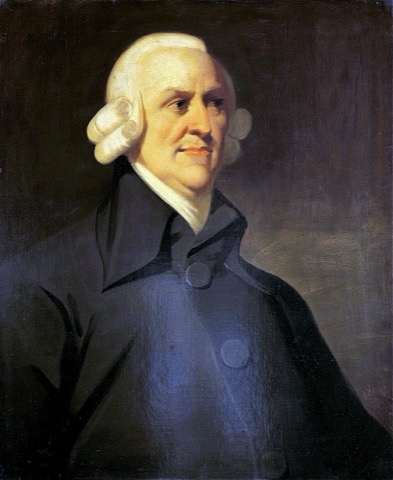
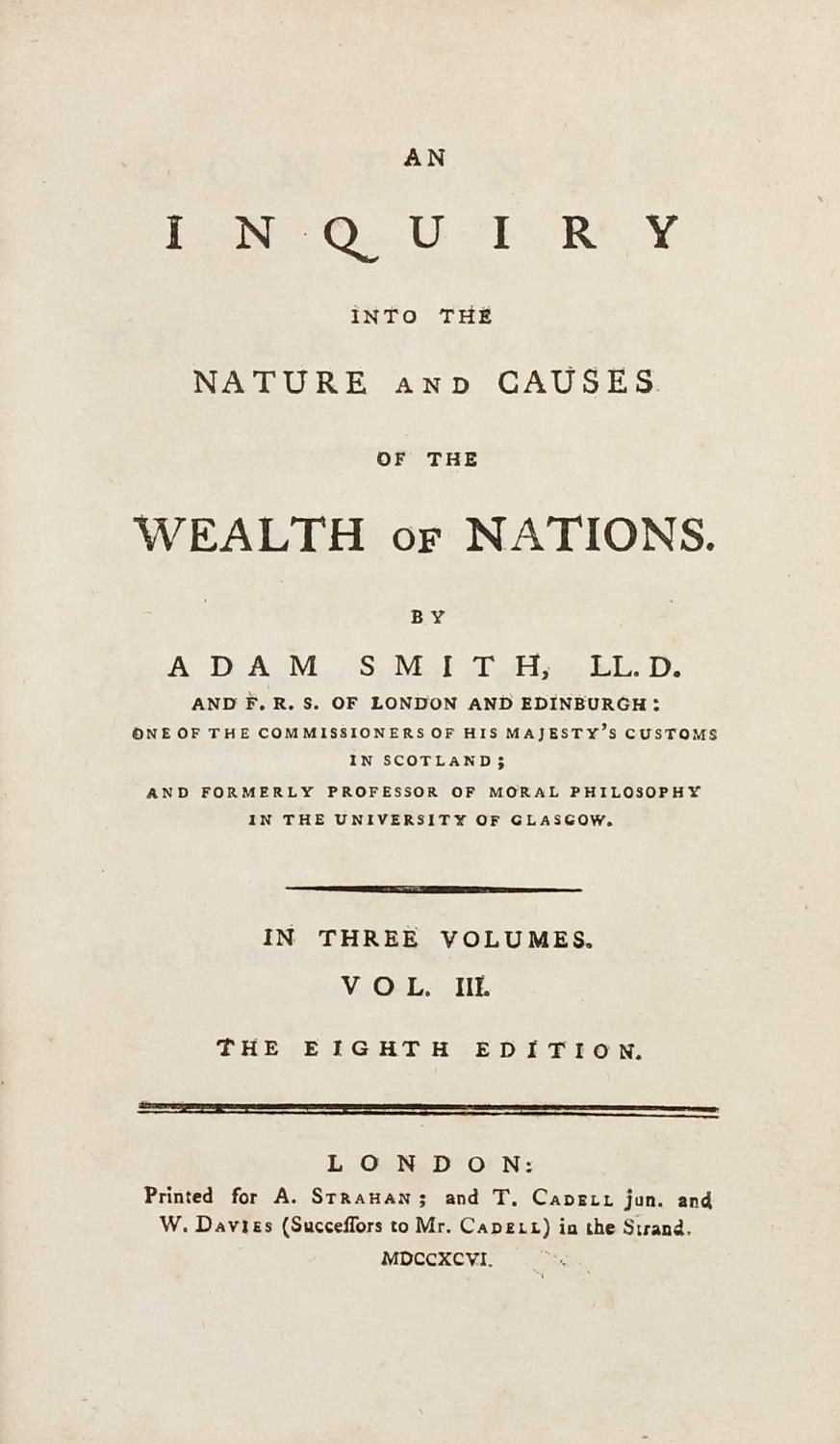
Image left: Adam Smith. Image right: Wealth of Nations book.
Today, machines are becoming participants in this process too. This is such an exciting time in the history of human civilisation. Machines are now much more capable of searching across enormous amounts of information, understand relationships between people and organizations, reason about unfamiliar markets, and carry work forward on their own. We think this creates a new opportunity: to build systems beyond helping businesses find markets, also understand and navigate them.
Havana exists to build the GTM infrastructure that learns how markets open. We’re starting with how businesses enter new markets, with the goal of massively reducing the time and effort it takes to bring a product to market.
Recent breakthrough technology has made it possible to make market entry and distribution programmable. We are now much more capable of mapping markets and the relationships within them, finding the paths that can open them, helping businesses execute those paths, measuring what happens, and learning from every market they enter.
We are inspired by designers, archaeologists, geographers, mathematicians, architects, and the places and systems they study. Each gives us a different way of thinking about how people, places, networks, and economies connect. This is part of why we are named after Havana, whose geography made it a major gateway in the history of global trade as “the key to the new world”.
That idea of a gateway is important to us for human capability as machines become more capable, and we think we can use AI to help make it possible to understand a market, see the relationships within it, identify the paths through which products can spread, and help a business take those paths easily, quickly and smartly.
This is hard to achieve, and we believe there has never been a better time to build this.
Clay solves the fragmented data problem for B2B growth teams. It brings together the data, enrichment, research, and outreach tools businesses need to identify and reach potential customers. But knowing where customers are is only the beginning of entering a market. Businesses still have to understand the market, find the communities and people that can give them access, build relationships, choose the right distribution channels, execute their strategy, and learn what works.
Havana is building the GTM infrastructure that learns how markets open. We want to make market entry and distribution programmable by mapping the paths into a market, helping businesses execute those paths, measuring what happens, and learning from every market they enter to make the next one possible.